
Planning content in advance doesn’t mean losing spontaneity; it gives you clarity, saves time, and helps you work more organized. A content calendar can help you post consistently, cover important dates, and align posts with business goals. Here are the steps to create a content calendar that works throughout the entire year – without stress.

Start with Key Dates
First, add important dates to your calendar such as holidays, seasonal campaigns, your brand’s anniversary, industry events, promotions, and other significant opportunities. These dates will form the foundation of your plan.
Examples: Christmas, New Year’s, Black Friday, Valentine’s Day, new product launches, location openings, etc.
Define Thematic Categories
Set a Posting Rhythm You Can Maintain
You don’t need to post every day. It’s more important that your posts are high-quality and regular. It’s better to post three thoughtfully prepared posts per week than seven rushed and forgotten ones. Consider your own resources and capacity.
Use a Planning Tool
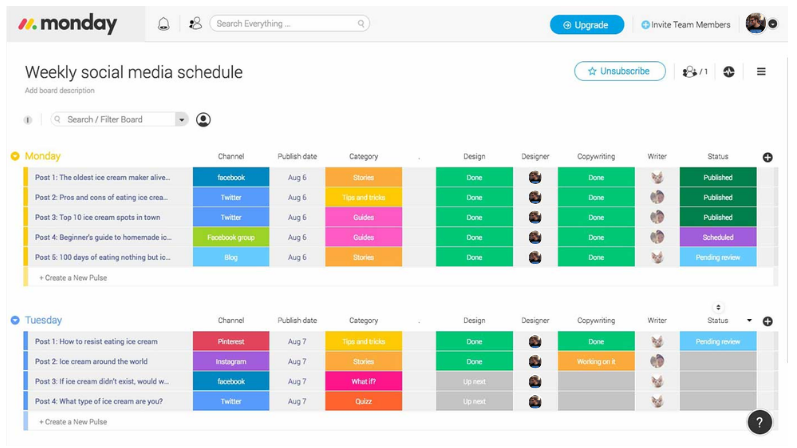
You can use Google Sheets, Trello, Notion, Monday, or specialized tools like ContentCal and CoSchedule. The important thing is to have an overview of the months, the ability to delegate tasks, and track the status of each post.
Leave Room for Flexibility
Even though you’re planning ahead, leave space for current events, trends, and unexpected topics. It’s recommended to leave at least one slot each week for content that you’ll create on the go.
Recycle Content Smartly
One quality blog post can be repurposed into multiple formats such as an Instagram post, story, carousel, email newsletter, or even a short video. This saves time and increases the value of existing content.

Regularly Analyze and Adjust Your Plan
At the end of each month, take time to review: What went well? What was weaker? Learn from your statistics and adjust content for the next month based on real results, not assumptions.
A well-organized content calendar saves time, reduces stress, and ensures consistency – a key to success in digital marketing. When you know what you’re posting and when, your communication becomes clearer, your teams more efficient, and the results measurable.
If you have any questions about creating a content calendar, feel free to contact us through the contact form.

